18 September 2026
General Contractor Services for Extensions, Refurbishments, and Remodels
Presented by @lukasvmns884
A good building project rarely starts with bricks and timber. It starts with clarity. A homeowner wants another bedroom because the children have outgrown shared space. A landlord needs to modernise an ageing terrace before reletting. A business owner has taken on a property with potential, but the layout works against the way the team actually uses it. In each case, the work may sound straightforward on paper, yet the difference between a smooth job and a draining one often comes down to who is managing it.
That is where a skilled General Contractor proves their value. Not as a middle layer adding cost, but as the person who keeps the whole build moving in the right direction, at the right pace, and to the right standard. Extensions, refurbishments, and remodels all carry their own pressures. They involve different trades, different sequencing, hidden defects, planning questions, structural decisions, budgets that need protecting, and clients who want honest answers rather than vague reassurance.
On sites across Hull and the surrounding area, that reality shows up every week. A property that looked fine during the viewing reveals rotten floor joists once the coverings come up. A seemingly simple knock through turns into a structural redesign after the engineer’s calculations. A tidy extension plan needs adjusting because drainage runs exactly where the foundation should go. None of these are unusual. What matters is having a contractor who has seen them before and knows how to respond without losing control of the project.
Why clients turn to a general contractor
There is a reason people stop trying to coordinate builders, electricians, plumbers, plasterers, roofers, kitchen installers, decorators, and suppliers on their own. It becomes a full time job very quickly. Even on a modest refurbishment, one delay ripples into three others. Plastering cannot happen before first fix is complete. Flooring waits for drying times. Kitchens cannot be fitted until walls are true, services are in place, and measurements are confirmed.
An experienced contractor manages that chain rather than reacting to it one problem at a time. That includes practical site supervision, ordering materials at the right stage, checking workmanship before the next trade arrives, and keeping the client informed when choices need making. Clients often think they are hiring labour. In reality, they are hiring judgment.
That judgment is especially important in mixed scope projects. A rear extension with a kitchen refit and downstairs remodel is not simply three separate jobs. It is one interdependent process. If insulation details are missed in the extension shell, the plasterboard depth can change. That can affect the window reveal, which can affect kitchen unit clearances, which can affect final finish lines. Small technical details have expensive consequences when nobody is looking at the whole picture.
Extensions demand more than extra square footage
Extensions are often talked about as if they are purely about space. More room for family life, a better dining area, a utility room, a home office, a larger kitchen. That is true, but the technical side is what determines whether the new space feels integrated or awkward.
A well built extension should not feel like an afterthought. Floor levels need careful planning. Ceiling heights should relate naturally to the original house. Light must be considered from the start, not patched in later with oversized glazing that overheats the room in summer. Drainage, access, structural load paths, heating upgrades, and external finishes all need coordination. Matching brickwork sounds simple until the original stock is discontinued and the new section looks noticeably newer than the old. Sometimes contrast works better than imitation, but that is a design and build decision that needs discussing early.
One common issue in extension work is underestimating the impact on the existing property. The focus falls on the new footprint, yet much of the disruption happens where old and new join together. Forming openings, installing steels, rerouting services, and making good the internal finishes can take more time than clients expect. A seasoned General Contractor sets that expectation at the beginning rather than leaving it to become a complaint halfway through the build.
In Hull, many properties present site-specific challenges tied to age, access, and ground conditions. Narrow side returns, older drainage layouts, and mixed construction types mean no two extension jobs are identical. This is where local knowledge helps. Firms involved in Property Renovation Hull projects often understand the typical quirks of the local housing stock, and that understanding saves time when the build reaches an awkward stage.
Refurbishments are won or lost in the hidden details
Refurbishment work looks deceptively clean in a specification. Replace kitchen. Update bathroom. Rewire. Replaster. Decorate. Yet once a property is opened up, the real condition begins to show. Refurbishment is often where the surprises live.
An older property might need far more than cosmetic attention. Uneven walls can hide failed plaster. Stained ceilings can point to long term roof issues rather than a one off leak. Previous DIY work may not meet current standards. In houses that have been rented for years, layers of small neglect often combine into larger structural or service problems. The challenge is not simply fixing what is visible, but identifying what must be corrected now and what can reasonably wait.
This is where clients benefit from practical honesty. Not every defect requires a full strip out. Equally, not every room can be improved by painting over the cracks and moving on. A contractor with experience in refurbishment work should be able to distinguish between what is cosmetic, what is inconvenient, and what is non-negotiable.
I have seen properties where owners planned a quick six week refresh before moving in. Once the carpets were lifted, half the downstairs floor required replacement. The electrics were a patchwork of old additions. The bathroom walls were saturated behind the tiles. That kind of discovery is frustrating, but it is not failure. It is the job revealing its real shape. The important part is how the contractor resets the programme, explains the cost implications, and protects the work that follows.
For clients searching for Property Maintenance HUll services, this overlap matters. Maintenance and refurbishment are not always separate categories. Long neglected maintenance often becomes refurbishment by the time the work starts. A leaking gutter becomes internal damp. Failed sealant becomes rotten timber. Cracked render allows water ingress that later affects plaster, flooring, and decoration inside. A contractor who understands both maintenance and renovation can often spot the pattern before it spreads further.
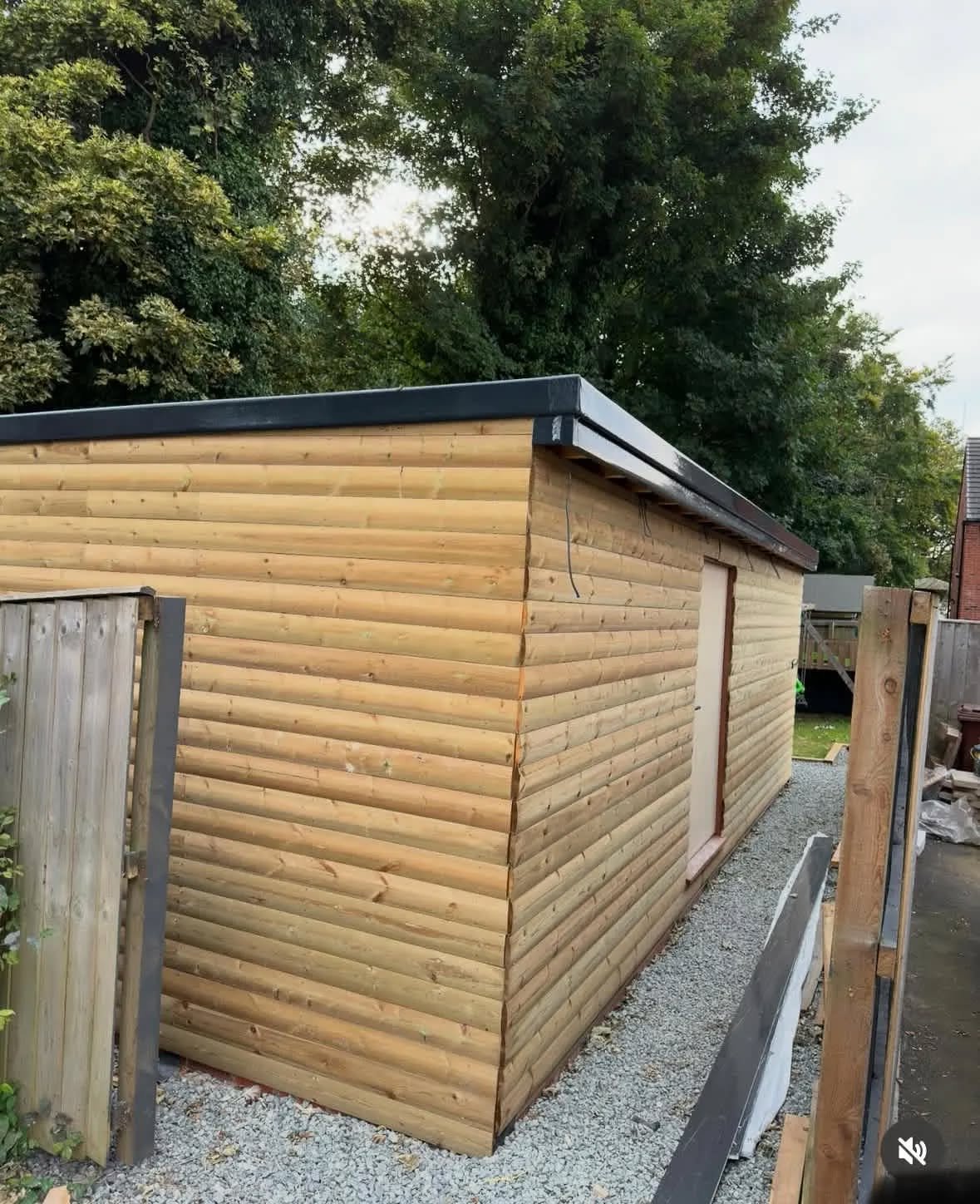
Remodels change how a building works
A remodel is not just a facelift. It changes movement, function, and often the identity of a building. Walls come down, circulation improves, storage is rethought, and dead space gets used properly. The best remodels do not simply make a property look modern. They make daily life easier.
Open plan living remains popular, but it is not always the right answer. Removing partitions can create a stronger sense of space, though it also changes acoustics, heating patterns, furniture placement, and privacy. In some houses, a partial opening with structural support and carefully framed sightlines works better than clearing everything out. A contractor who has delivered remodels before should be willing to challenge assumptions if the proposed change creates practical drawbacks.
Remodelling also tends to involve structural work. That means temporary support, engineering input, precise installation of lintels or steels, and careful sequencing to keep the building safe and weather tight. There is no room for guesswork here. It is one thing to Fence Contractor visualise a larger kitchen diner. It is another to execute the demolition, support the load correctly, route the services, and rebuild the finishes so the space feels coherent.
In lived-in homes, the challenge is even sharper. Dust control, temporary services, security, and partial occupation all need planning. Families often underestimate the stress of living through a remodel. A contractor who communicates clearly can make a significant difference to Property Maintenance Hull that experience by setting realistic milestones, protecting occupied areas, and keeping the site orderly enough for the home to remain usable.
What a strong contractor actually manages
Clients sometimes ask what they are paying for beyond the trades on site. The answer is coordination, accountability, and sequencing. Those three things are easy to undervalue until they are missing.
A competent contractor typically takes responsibility for the following:
- Planning the work sequence so trades arrive in the right order and the programme stays logical
- Sourcing labour and materials that meet the specification and budget
- Monitoring quality, safety, and compliance on site
- Resolving issues as conditions change, including hidden defects and supply delays
- Communicating progress, costs, and decisions in plain language
Each part affects the others. If materials are ordered late, labour stands idle. If workmanship is not checked early, defects get buried under later finishes. If clients do not receive timely updates, decision making slows and General Contractor Hull the programme slips. Good projects are rarely dramatic. They are steady, organised, and well supervised.
Cost control is about more than the lowest quote
Price matters. Everyone says quality matters more than cost until the quotes arrive. Then the cheapest figure can become very persuasive. The problem is that quotations for extensions, refurbishments, and remodels are only useful if they are genuinely comparable.
A low price may reflect a lean, efficient contractor. It may also mean the quote excludes waste removal, decoration, flooring, or structural steel installation. It may rely on provisional sums that rise later. It may assume ideal site conditions that rarely exist in reality. On refurbishment work especially, a suspiciously low quote often means the risk has simply been pushed forward to be dealt with after the contract starts.
A better approach is to look at what has been allowed for, what assumptions have been made, and how variations will be handled if the scope changes. Transparent builders are usually clear on where uncertainty sits. They do not pretend old properties are perfectly predictable. Instead, they explain the likely risk areas and the cost ranges attached to them.
Clients appreciate certainty, but false certainty is worse than honest caution. A professional contractor should be able to say, with confidence, where the numbers are firm and where they may move depending on what is uncovered. That is not evasiveness. It is experience.
Communication keeps projects from drifting
Most project failures do not begin with one catastrophic event. They begin with small gaps in communication. A client thinks a room will be painted, but the quote only included plaster finish. A contractor expects tile selections by a certain date, but the client is still comparing suppliers. A structural detail changes, but nobody tells the kitchen designer, so the layout no longer fits.
These issues are ordinary, not exceptional. The real question is whether they are caught early. Good contractors create regular points for review. They confirm choices before they become urgent. They put changes in writing. They make sure everyone is working from the same understanding of the finished result.
This matters even more on design-led projects where finishes and details carry a lot of weight. A simple phrase such as "oak flooring throughout" can mean several very different products, installation methods, and preparation standards. If expectations are not pinned down, disappointment follows even where the workmanship is decent. Clarity is not bureaucracy. It is protection for both sides.
The role of maintenance in protecting renovation work
There is a pattern many property owners learn the hard way. They spend heavily on a renovation, enjoy the improved space for a year or two, then let routine upkeep slide. Water gets in around an unmaintained junction. External paint breaks down. Sealants fail. Ventilation filters are ignored. The quality of the original renovation is blamed for defects that are really maintenance issues.
That is why ongoing care matters. Quality refurbishment and extension work should reduce future maintenance burdens, but it does not eliminate them. Every building needs attention. Roof coverings age. Rainwater goods block. Extractor systems need servicing. Timber needs treatment in exposed areas. Even modern materials perform badly if neglected.
For owners managing several assets, whether residential or commercial, there is real value in tying renovation planning to longer term maintenance scheduling. Teams familiar with Property Renovation Hull work are often also involved in aftercare and maintenance because the handover is not the end of the building’s life cycle. That continuity helps when snagging, seasonal movement, or wear patterns emerge after occupation.
Choosing the right contractor for the type of work
Not every builder is suited to every project. New build experience does not automatically translate into strong refurbishment practice. A contractor who handles straightforward fit-outs may not be the right choice for structural remodelling in an occupied home. Matching the contractor to the job matters as much as the quote itself.
When assessing who to appoint, look beyond polished photos. Ask how they manage programme changes. Ask what happens when hidden issues appear. Ask who supervises the site daily. Ask how they coordinate specialist trades. Ask what parts of the work are commonly misunderstood by clients. The quality of the answers tells you a great deal.
A sensible shortlist often comes down to a few essentials:
- Relevant experience with the same type of property and scope
- Clear quotations with realistic assumptions
- Evidence of reliable site management and trade coordination
- Willingness to discuss risks and alternatives honestly
- A communication style that feels direct, respectful, and practical
That final point is underrated. Projects run better when clients and contractors can speak candidly without defensiveness. Building work is disruptive by nature. You need people who can handle pressure, solve problems, and keep standards high when the job becomes complicated.
Local context matters more than many clients expect
General contracting is not an abstract service. It happens in specific streets, with specific planning environments, specific suppliers, and specific housing stock. A contractor working regularly in and around Hull will often recognise recurring challenges sooner than someone less rooted in the area.
Victorian terraces, post-war semis, mixed-use conversions, and coastal weather exposure all influence how work should be approached. Access restrictions can shape scaffold options and material deliveries. Drainage and ground conditions may alter foundation strategies. Conservation requirements can affect windows, brick selection, and roof detailing. Practical familiarity with local conditions can save days, and sometimes weeks, over the course of a project.
This is especially relevant for owners combining Property Renovation Hull and Property Maintenance General Contractor HUll needs across multiple buildings. A contractor who understands the local supply chain, local subcontractor availability, and the condition profile of the area’s properties is better placed to price accurately and respond quickly when the unexpected shows up.
The best projects feel calm, not flashy
There is a tendency in building marketing to focus on dramatic before and after shots. Those transformations can be satisfying, but they tell only part of the story. The real mark of a good extension, refurbishment, or remodel is not the reveal photo. It is the months and years afterward, when the space works properly, holds up well, and does not generate a backlog of corrective work.
That result usually comes from disciplined basics. Proper preparation. Sound structural work. Services installed neatly and logically. Finishes applied onto stable substrates. Timely decisions. Clear records. Realistic budgets. Good supervision. Nothing glamorous, yet everything important.
A professional General Contractor brings those basics together. They do not eliminate every surprise, because building work always contains some uncertainty. What they do is reduce chaos, protect quality, and give clients confidence that the project is being steered by someone who understands both the construction process and the practical realities of the property itself.
For homeowners improving family space, landlords repositioning tired stock, and businesses adapting premises to new demands, that is the service that matters most. Not just getting work done, but getting it done with control, foresight, and a standard that lasts.
CHM Yorkshire Ltd
Hull
HU9 5BU
Tel: 01482 455159
Website: https://www.chmyorkshireltd.co.uk